DATACON 2026 Event Recap
Author: Mehul Joshi | 5 min read | September 18, 2026
We were thrilled to be in Seattle, WA, for DATACON 2026, immersing ourselves in the Microsoft data platform community. The conversations ranged from how to modernize correctly to the organizational challenges standing in the way of AI adoption in production.
For a quick overview of our DATACON adventures, you can check out our highlight reel! Or keep on reading for the full rundown.
Building What’s Next
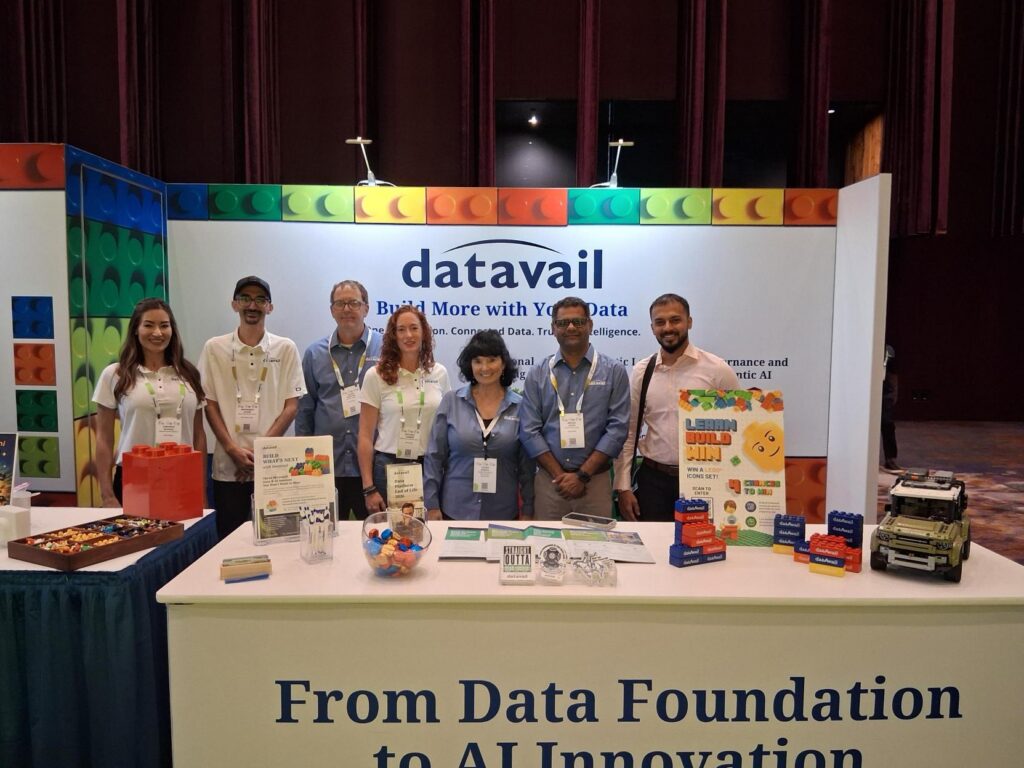
At Booth #303, we focused on building what’s next with the Microsoft data platform, from Fabric modernization to bringing AI into production. It was hard to miss our booth, with our bright LEGO® theme and mini-figure building station, fun swag, and our big LEGO® Icons giveaways.
The theme fit the discussions happening at the booth. Every organization has pieces that need to work together: databases, applications, reporting systems, security controls, governance processes, business definitions, and ownership.
When those pieces are disconnected, the impact is felt organization-wide. Leaders question reports. Employees have to invest time in manual reconciliation. Modernization projects drag on because the underlying foundation can’t support
Our DATACON sessions addressed those challenges from three connected perspectives.
Know What You Have Before You Modernize It
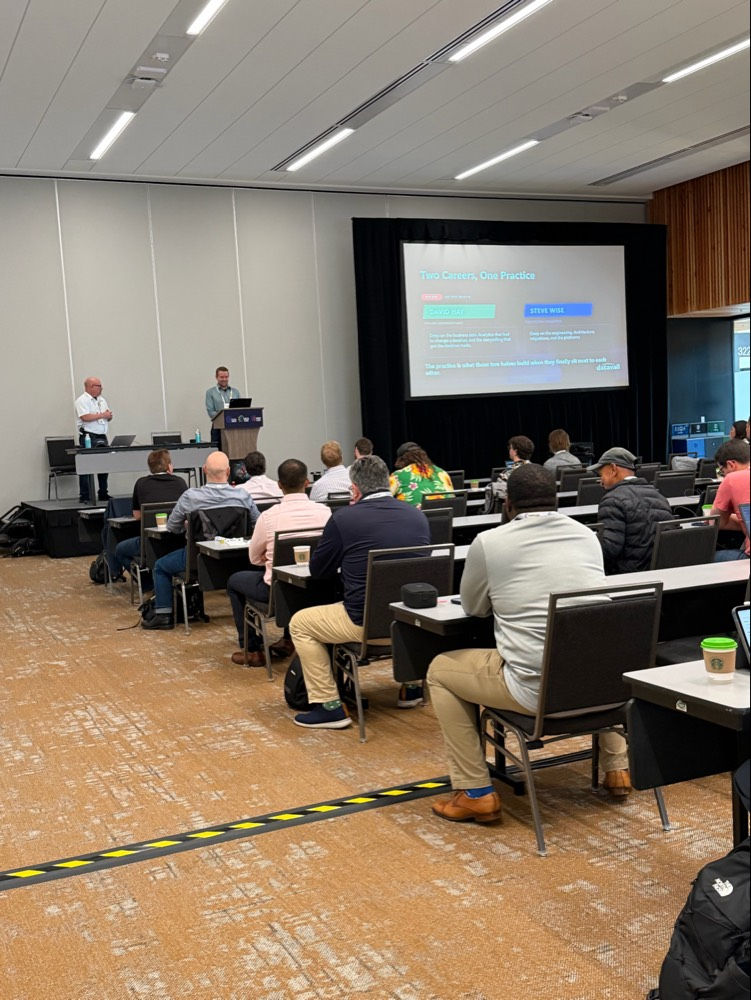
In “Lessons from the Field: Building AI-Ready Microsoft Data Estates,” Datavail Solution Principals Steve Wise and David Hay shared real-world lessons from organizations at different stages of data maturity, and the practical steps they took to build trusted, AI-ready data estates.
Most organizations don’t struggle with AI because of the model, but because of everything that comes before it. Point AI at a mess and you get the mess at machine speed.
In one case, a four-week discovery stretched to twelve, pushing back the whole timeline. A current inventory of source systems, data flow, ownership, and usage prevents that surprise and helps teams cut work that no longer adds value.
Align the Data Estate Before You Unify It
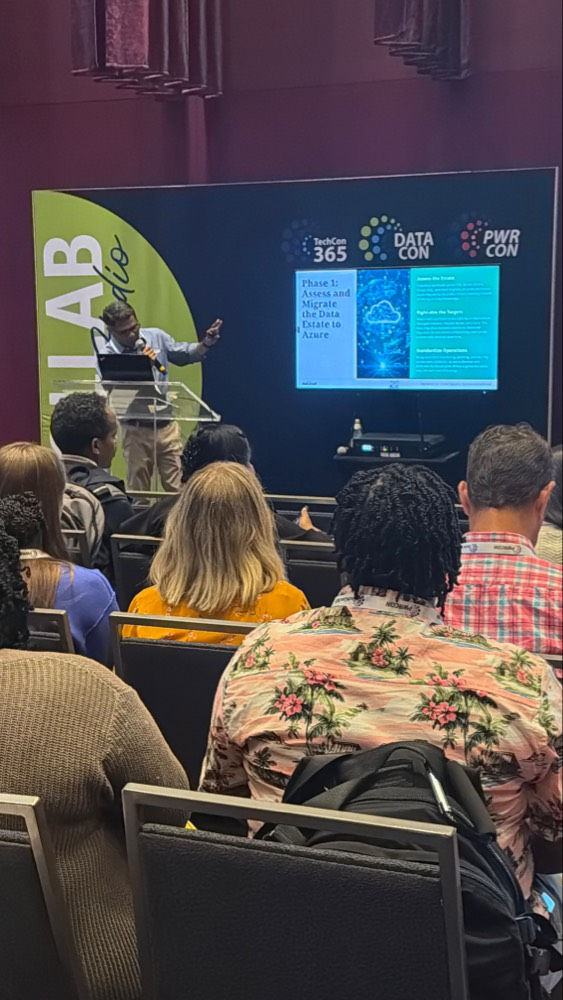
In “Start with the Data Estate, Finish with a Unified Platform,” I addressed the fragmentation that builds up as businesses add applications, acquire companies, and adopt different database technologies.
Fragmentation goes beyond platform count. Separate systems bring separate processes, security models, and definitions. For example, one application’s “customer ID” is another’s “client ID,” often with no team owning the connection. That inconsistency raises costs, undermines reporting, and weakens AI results. You have to align things before you can unify them.
For example, we worked with one manufacturer where plant failures once took up to 24 hours to investigate. After moving to Microsoft Fabric, connecting data through OneLake, and adding security and compliance layers via Microsoft Purview, decisions moved to near real time. The work happened in stages, with governance built in from the start.
Make Sure Copilot Finds the Right Answer
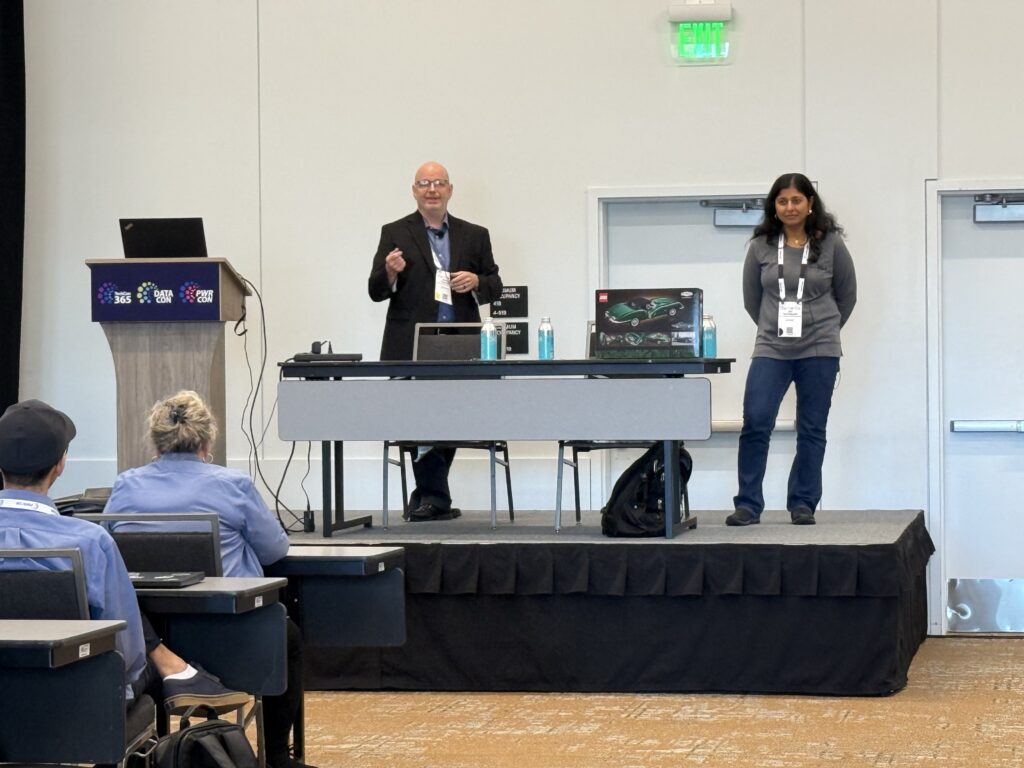
In “Governing Data in the Age of Copilot,” Datavail Vice President of AI Jay Natarajan and CISO Brook Shuford examined what happens when AI can retrieve enterprise information and act on it.
A question about revenue might pull from Fabric, Salesforce, spreadsheets, email, or Teams. Copilot may have access to all of them, but access doesn’t establish which source is current or approved. As Natarajan put it, “What is authorized is not authoritative.”
This matters because AI makes old access easier to exploit. An employee’s outdated SharePoint permissions, once hard to stumble on, become a plain-language search away. Shuford summed it up: “Permission is necessary, but permission is not proof of current need.”
The stakes rise when AI acts instead of just answering. A bad answer can be corrected; an agent can send an email or update a system before anyone notices.
Shuford compared an agent to a new hire: it needs a defined identity, access boundaries, approvals, monitoring, and an offboarding plan. Start with one workflow and govern it before scaling. “Scaling an ungoverned use case doesn’t scale the value. It scales the blast radius.” Natarajan added, “The goal is to give AI the maximum amount of trusted context that it can safely use.”
Rooftop Fun

We had the opportunity to host our clients, partners, and other guests at The Nest Rooftop at the Thompson Hotel. The view was gorgeous, and our team continued the data, modernization, governance, and AI conversations into the night.
Those discussions reflected what we heard throughout DATACON: teams want to move forward with AI, but they also want confidence that their systems, data, and controls can support it.
Ready to move your modernization plans forward with confidence? Connect with our Microsoft data platform and AI experts to take your next steps towards an innovative future.